
We Spent 6 Months in a Sprinter — Here's What Actually Broke
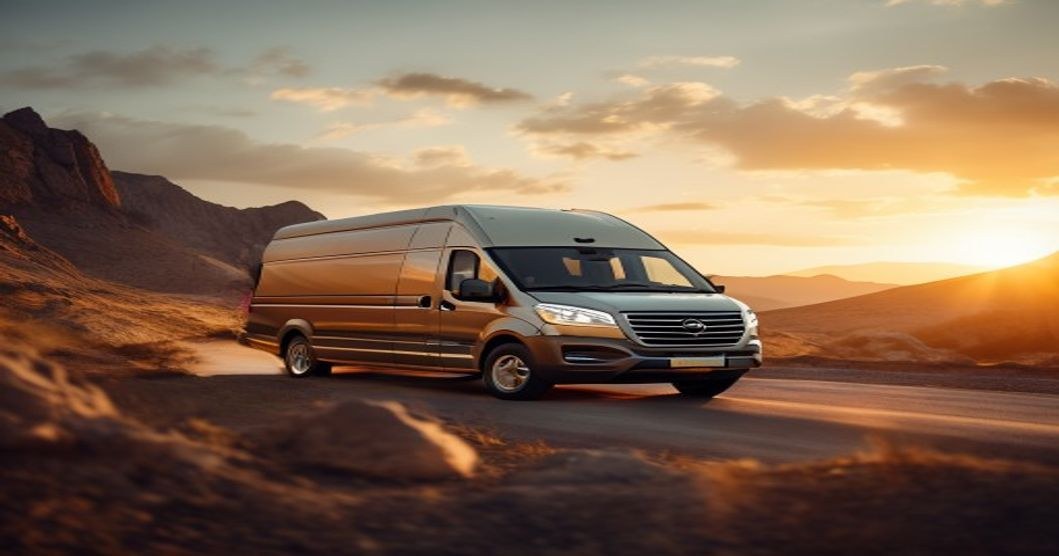
We bought a 2022 Sprinter 144 4x4 in November 2024 with the plan of doing a six-month full-timer through the Mountain West. We came home in May 2025 with a list of things that had broken, things we had been told would break that didn't, and things we hadn't been warned about at all.
This is the honest version. Names of brands stay in. Mileage stays in. Cost stays in.
The big-ticket failures
The fridge died in month four. We had a Vitrifrigo C115i — same one half the build companies install. It started cycling weirdly outside Moab and was completely dead by Telluride. Replaced it with an ICECO. The ICECO has been bulletproof since, including 100°F desert days. The Vitrifrigo replacement cost us $1,180 plus three days of lost groceries.
The composting toilet (Nature's Head) needed its agitator handle re-tightened twice, which is a 10-minute fix but a slightly miserable one in a hot van. Otherwise it worked fine. The 'liquid bottle dump every two days' cadence is real and is the actual time tax of composting toilets — not the solid-waste bin.
The lithium battery bank — 3x 100Ah Battle Born — held up perfectly. Not a single issue across six months and probably 800+ charge cycles. The DC-DC charger (Renogy 60A) did need a firmware update once we started using shore power more heavily; symptoms were inconsistent charge rates that resolved after the update.
Solar (3x 200W roof panels through a Victron 100/50 MPPT) over-delivered. We never ran the bank below 40% even on cloudy weeks. If you're spec'ing a build: 600W is more than enough for a two-person life with a fridge and laptops, even in the Pacific Northwest in January.
The chassis-side issues
The Sprinter side of the rig had two issues. One was minor — a check engine light at 32k miles that turned out to be the DEF (diesel exhaust fluid) sensor, replaced under warranty. Mercedes was reasonable about it but the wait at the dealer was 11 days because the closest Sprinter-certified dealer was 240 miles from where we broke down. This is the standard Sprinter trade-off and it bit us exactly as we'd been warned.
The other issue was bigger: the rear axle started clunking on bumpy roads around 28k miles. Diagnosis was a loose pinion bearing. Repair was $2,400 out of pocket because the warranty period had lapsed (we bought used at 24k). This is also a Sprinter-specific failure pattern — the rear differential is lighter than the chassis really needs for full-build weight. If we built another, we'd add a heavier-duty rear diff up front.
The build-side failures we predicted but couldn't avoid
Condensation. We had Thinsulate insulation, an ARB roof vent, and a Maxxair fan. We still woke up to interior frost on cold mountain nights. The fix is a propane heater (Propex HS2000) that we installed mid-trip. Once we had heat running on a low setting overnight, condensation went away. If we'd built it with the heater from day one, we'd have skipped two miserable nights in Wyoming.
The thing we hadn't been warned about
Our biggest single repair was the windshield. A truck on I-70 outside Glenwood Springs threw a rock that didn't crack the glass — but did create a chip we ignored for three weeks. By the time we got to Salt Lake the chip had spider-cracked across the entire windshield. Replacement was $1,400 because Sprinter windshields are heated, larger than most, and have to be coded to the lane-keep system. Get the chip filled within 48 hours. We didn't.
What we'd do differently next time
If we did this again, we'd: (1) install the propane heater on day one; (2) buy a heavier-duty rear differential; (3) replace the Vitrifrigo before our first long trip; (4) get a windshield repair kit and use it the day a chip happens; (5) carry the spare Sprinter DEF sensor in the toolbox. That's a $3-5k delta on the build and would have prevented most of the trip's pain.
What it cost
Six months full-time, two adults, the Sprinter: $14,200 total operating cost. That's chassis maintenance, repairs, propane, electricity (when on shore), groceries, eating out, gas (about $4,800 of the total), park fees, and the few times we paid for actual campgrounds. We were boondocking 80% of nights, harvest-hosting 10%, paid 10%. That's tight even by van-life standards because we cooked almost everything ourselves.
Was it worth it
Yes. But the next trip will be three months, not six. Six is too long without a real bathroom. That's the most honest line in this whole post.
Membership Harvest Hosts — Free overnight RV stays at 4,000+ wineries, farms, and breweries — pays for itself in ~4 nights. Build power EcoFlow Delta Pro — The 3.6kWh power station that's replacing inverters and battery banks in modern van builds.