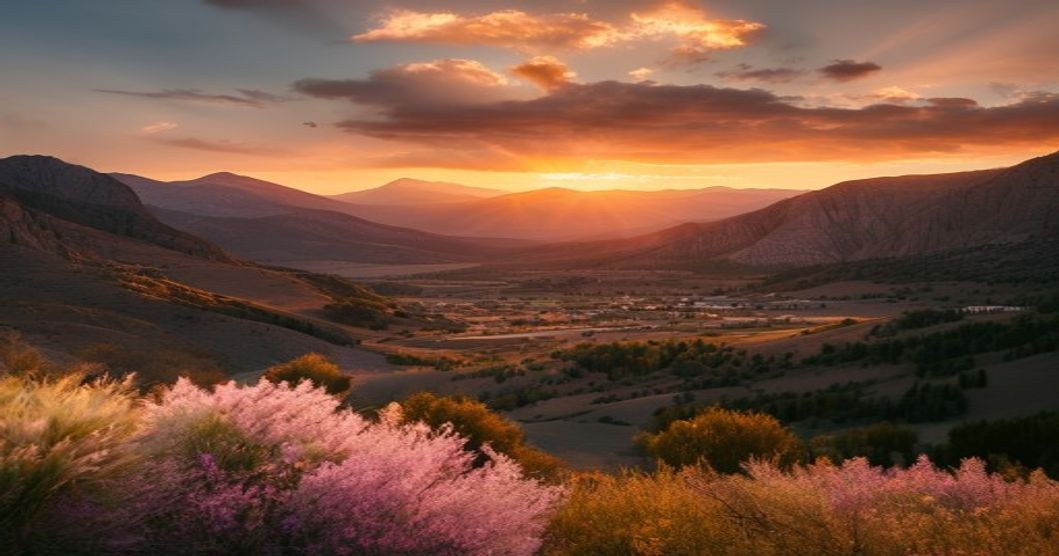
Spring Valley, Nevada offers a surprising escape for those seeking a quiet, authentic Nevada experience. Nestled in the southwest corner of the state, this charming city provides a welcome respite from the hustle and bustle of Las Vegas, yet remains surprisingly accessible. Let’s explore what makes Spring Valley a worthwhile destination.
What Makes Spring Valley Different
Spring Valley distinguishes itself through a strong sense of community and its proximity to stunning desert landscapes. It’s a place where the pace of life slows down considerably, offering visitors a chance to reconnect with nature and experience genuine Nevada hospitality. The city’s history, rooted in ranching and agriculture, still influences the local culture, creating a unique blend of old West charm and modern comfort. Furthermore, Spring Valley sits within a region known for its exceptional stargazing opportunities, thanks to minimal light pollution, making it a haven for astronomy enthusiasts.
The Practical Guide
Planning a trip to Spring Valley requires a few key considerations. Here’s a breakdown to help you get started:
- Accommodation: A range of lodging options are available, from budget motels running $80-130 per night to more comfortable hotels and vacation rentals. Booking in advance, particularly during peak season, is highly recommended.
- Transportation: While Spring Valley is accessible via US-95, having a personal vehicle is essential for exploring the surrounding area. Public transportation options are limited.
- Dining: Local restaurants offer a mix of American cuisine and traditional Nevada fare. Expect to find options ranging from casual diners to restaurants specializing in steak and barbecue.
- Activities: Outdoor recreation is a major draw. Hiking, off-roading, and exploring the nearby desert terrain are popular choices. The Virgin River Mountains are a short drive away, offering scenic views and hiking trails.
- Supplies: Stock up on essentials like water, sunscreen, and snacks before venturing into more remote areas. The city’s grocery stores offer a decent selection, but choices are more limited than in larger metropolitan areas.
- Connectivity: Cell service can be spotty in some areas outside of the city limits, so download offline maps and consider informing someone of your travel plans.
Local Considerations
Spring Valley experiences a desert climate, characterized by hot summers and mild winters. Temperatures can fluctuate dramatically between day and night, so pack layers. The best times to visit are generally during the spring and fall, when the weather is pleasant and crowds are smaller. The city’s population is diverse, reflecting its location within a larger metropolitan area, with a significant Hispanic population. Be mindful of local customs and traditions. The area surrounding Spring Valley is part of the expansive Nevada desert, offering a unique landscape that’s perfect for outdoor adventures.
FAQ
Q: What kind of outdoor activities are available in Spring Valley? A: Spring Valley is a fantastic base for exploring the Nevada desert. Popular activities include hiking, off-roading, exploring the Virgin River Mountains, and stargazing.
Q: Is it easy to get around Spring Valley without a car? A: No, it is not. While there’s a small downtown area, public transportation is extremely limited. A personal vehicle is highly recommended to explore the surrounding region and its attractions.
Q: What is the weather like in Spring Valley during the summer months? A: Summers in Spring Valley are hot, with average high temperatures often exceeding 100°F (38°C). It’s crucial to stay hydrated and take precautions against the heat.
Bottom Line
Spring Valley, Nevada, provides a tranquil escape for travelers seeking natural beauty, a slower pace of life, and a genuine Nevada experience. Consider visiting during the shoulder seasons for optimal weather and fewer crowds. To make the most of your trip, research your routes and pack accordingly—a well-prepared traveler is a happy traveler.