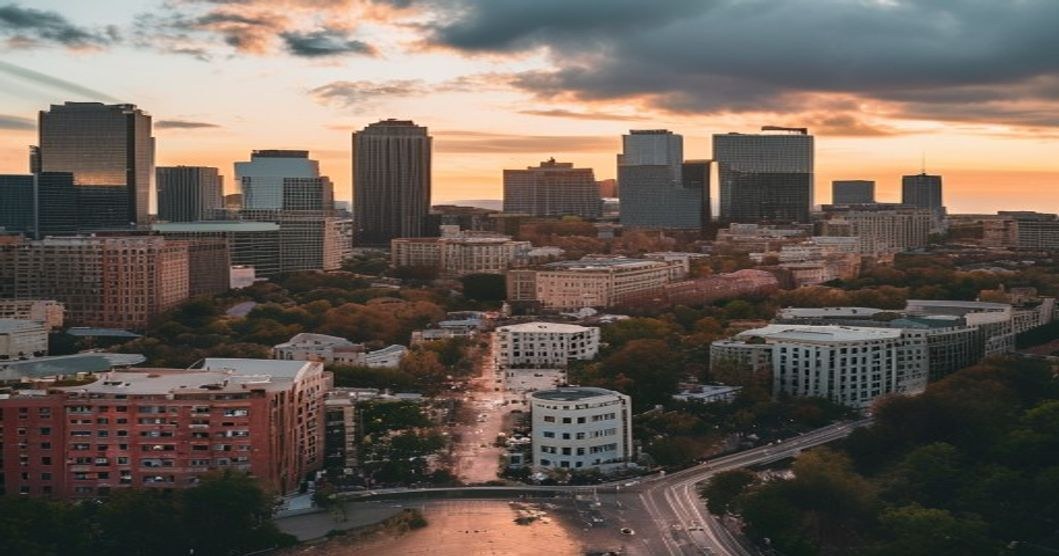
Minneapolis, Minnesota offers a surprising blend of urban excitement and Midwestern charm. From its thriving arts scene to its beautiful lakes, this city is a destination that deserves to be on your travel radar. Let’s explore what makes Minneapolis, Minnesota, a fantastic vacation choice.
What Makes Minneapolis Different
Minneapolis stands apart from many major American cities due to its unique relationship with water. The city is built around 14 interconnected lakes, creating a stunning urban landscape and offering unparalleled opportunities for outdoor recreation. Beyond the lakes, Minneapolis boasts a remarkably strong arts and culture community, fueled by a vibrant music scene and a wealth of independent galleries and theaters. Finally, the city’s progressive spirit and commitment to sustainability are palpable, reflected in its design, transportation, and local businesses. This combination creates a truly distinctive experience.
The Practical Guide
Planning your trip to Minneapolis requires a few key considerations. Here’s a breakdown to help you get started:
- Accommodation: Options range from luxury hotels downtown to budget motels run $80-130/night in the surrounding suburbs. Consider staying near the Chain of Lakes for easy access to water activities.
- Transportation: Minneapolis has a decent public transportation system, including light rail and buses. However, renting a car offers more flexibility, especially for exploring areas outside the city center.
- Food Scene: Minneapolis is a foodie’s paradise, with diverse restaurants offering everything from fine dining to casual eateries. Explore the North Loop neighborhood for trendy spots.
- Activities: Beyond the lakes, you can visit the Mill City Museum, explore the Walker Art Center, or catch a show at the First Avenue music venue.
- Getting Around: The Hennepin Avenue corridor is a major thoroughfare and offers numerous shops and restaurants.
- Safety: Minneapolis is generally a safe city, but as with any major urban area, it's wise to be aware of your surroundings and take standard precautions.
Local Considerations
Minneapolis experiences a continental climate, with warm, humid summers and cold, snowy winters. Spring and fall offer pleasant temperatures and beautiful foliage. The city’s population is diverse, with a significant Somali and Hmong community, contributing to the region’s rich cultural tapestry. The Mississippi River flows just south of Minneapolis, providing scenic views and recreational opportunities. Lake Calhoun (Bde Maka Ska) and Lake Harriet are two of the most popular lakes for swimming, boating, and picnicking. Summer is peak tourist season, so booking accommodations and tours in advance is highly recommended.
FAQ
Q: What’s the best time of year to visit Minneapolis? A: Summer (June-August) offers the warmest weather and the most outdoor activities, while fall (September-October) provides stunning fall colors and pleasant temperatures.
Q: Is Minneapolis expensive? A: While some areas, particularly downtown, can be pricey, you can find affordable accommodations and dining options throughout the city. Budget-conscious travelers can find deals on hotels and food.
Q: What kind of activities are available besides the lakes? A: Minneapolis offers a wealth of cultural attractions, including the Mill City Museum, the Walker Art Center, numerous theaters, and a thriving music scene. There are also many parks and green spaces to explore.
Bottom Line
Minneapolis is a city that seamlessly blends urban sophistication with Midwestern warmth. With its beautiful lakes, thriving arts scene, and diverse culture, it’s a destination that offers something for everyone. To make the most of your trip, research your interests and book accommodations and tours in advance, especially during the summer months. Consider visiting during the shoulder seasons for fewer crowds and potentially lower prices.