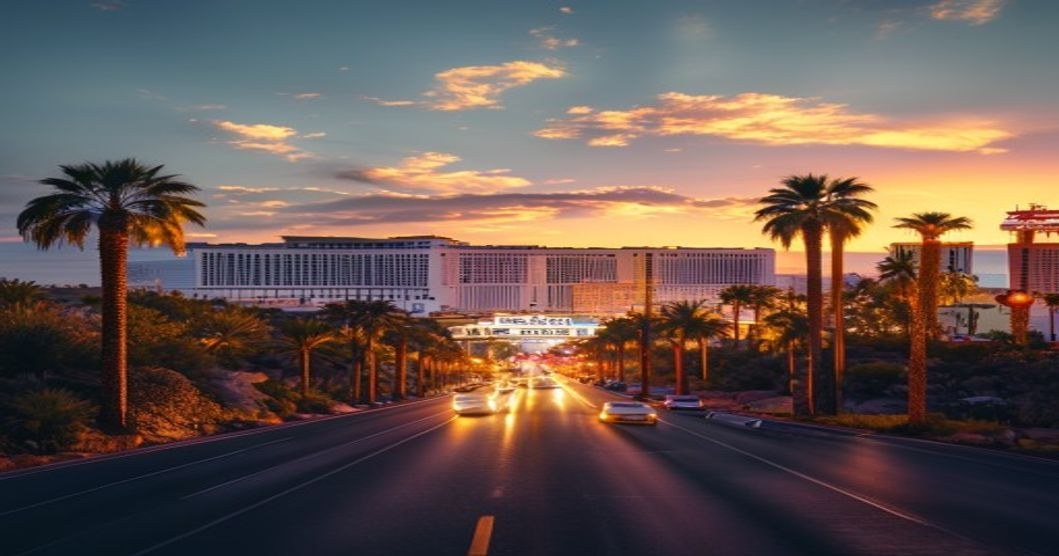
Las Vegas, Nevada, a city synonymous with dazzling lights and unforgettable experiences, consistently draws visitors from around the globe. Whether you’re seeking a whirlwind of entertainment, a luxurious escape, or simply a unique adventure, this iconic destination offers something for everyone. This guide will provide you with everything you need to plan your perfect trip to Las Vegas.
What Makes Las Vegas Different
Las Vegas is a city unlike any other. It’s a carefully constructed illusion, a manufactured spectacle built upon the foundation of entertainment and hospitality. The sheer scale of the Strip, stretching for miles, is a primary factor – it’s truly a world within a world. Beyond the casinos, however, lies a surprisingly diverse cultural landscape, from world-class fine dining to thriving arts and music scenes. Furthermore, the city’s relentless energy and 24/7 operation create a unique atmosphere that’s both exhilarating and slightly surreal. The desert setting also contributes, offering stark contrast to the opulent interiors.
The Practical Guide
Planning your trip to Las Vegas requires considering several key elements. Here's a breakdown to help you get started:
- Accommodation: Hotel options range dramatically in price and style. Budget motels run $80-130 per night in the surrounding areas, while luxury resorts on the Strip can easily exceed $400 per night. Booking in advance, especially during peak season, is highly recommended.
- Transportation: While walking is possible on the Strip, distances are considerable. Taxis, ride-sharing services, and the Las Vegas Monorail offer convenient alternatives. Rental cars are available but parking fees can add up quickly.
- Food & Drink: From casual buffets to Michelin-starred restaurants, Las Vegas boasts an incredible culinary scene. Budget for a wide range of dining experiences.
- Entertainment: Shows, concerts, and nightclubs are abundant. Ticket prices vary greatly depending on the event and venue. Purchasing tickets in advance is advisable.
- Weather: Las Vegas experiences extreme temperature fluctuations. Summers are intensely hot, while winters can be surprisingly cool, especially at night.
- Currency: The United States Dollar (USD) is the official currency. Credit cards are widely accepted.
Local Considerations
Las Vegas is located approximately 20 miles southwest of the stunning Lake Mead, part of the Colorado River. The surrounding Mojave Desert offers opportunities for outdoor activities, though it’s essential to be prepared for the intense heat. Seasonality significantly impacts the experience. Summer (June-August) is peak tourist season, characterized by scorching temperatures and large crowds. Spring and Fall offer more pleasant weather and slightly fewer visitors. Winter (December-February) can be surprisingly cold, with nightly temperatures often dropping below 50 degrees Fahrenheit. The population surrounding Las Vegas is diverse, reflecting the city’s global appeal.
FAQ
Q: Is it possible to gamble in Las Vegas without spending a lot of money? A: Absolutely. There are plenty of low-stakes games, and many casinos offer free play options. Starting with smaller bets and understanding the rules can help you manage your budget.
Q: What should I pack for a trip to Las Vegas? A: Pack layers! Temperatures can fluctuate dramatically. Comfortable walking shoes are essential due to the distances involved. Sunscreen, a hat, and sunglasses are also highly recommended, especially during the summer months.
Q: Are there any free things to do in Las Vegas? A: Yes, there are! The Bellagio fountains are a spectacular free show, and many casinos offer free self-guided tours. Walking the Strip and taking in the atmosphere is also a free and memorable experience.
Bottom Line
Las Vegas offers a truly unique and unforgettable vacation experience. With its dazzling attractions, diverse entertainment options, and vibrant atmosphere, it’s a destination that consistently delivers. To maximize your enjoyment, plan your itinerary in advance and be prepared for the city’s relentless energy. Consider booking accommodations and popular shows well ahead of your trip, especially if traveling during peak season.