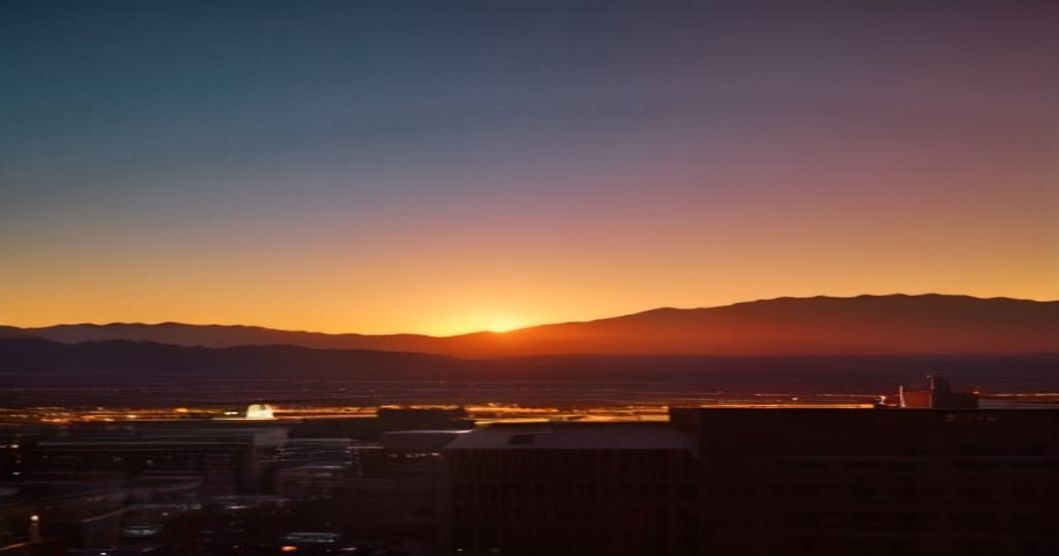
Albuquerque, New Mexico, offers a captivating blend of ancient history, vibrant culture, and stunning natural landscapes. This unique Southwestern city promises an unforgettable vacation experience. Whether you’re seeking thrilling adventure or a relaxing escape, Albuquerque is a destination that consistently surprises and delights. Let’s explore what this incredible city has to offer.
What Makes Albuquerque Different
Albuquerque’s charm stems from several distinct characteristics. First, its historic Old Town Albuquerque is a meticulously preserved district with adobe buildings, artisan shops, and traditional New Mexican restaurants, offering a step back in time. Second, the city is deeply rooted in Native American and Hispanic cultures, reflected in its art, music, and cuisine. Finally, Albuquerque’s location at the foot of the Sandia Mountains provides unparalleled opportunities for outdoor activities, from hiking and biking to scenic gondola rides. The Rio Grande River also runs through the city, adding to its picturesque beauty.
The Practical Guide
Planning your trip to Albuquerque is made easier with these key considerations. Accommodation options range from budget-friendly to luxurious. Budget motels run $80-130 per night in this region, while hotels near Old Town or the downtown area can average $150-250.
- Getting Around: Renting a car provides the most flexibility for exploring the surrounding areas, including the Sandia Mountains and the Rio Grande Valley State Park. Public transportation is available but limited.
- Food: New Mexican cuisine is a must-try, focusing on green and red chile. Be prepared for a flavor explosion.
- Activities: There are numerous options for outdoor adventures like hiking, biking, and hot air balloon rides. Explore the Indian Pueblo Cultural Center to learn about the region’s rich Native American heritage.
- Safety: Albuquerque, like any large city, has areas with higher crime rates. Stick to well-populated tourist areas and take standard safety precautions.
- Altitude: Albuquerque sits at an elevation of approximately 5,139 feet. Allow yourself time to acclimatize to avoid altitude sickness.
- Nearby Attractions: The Petrified Forest National Park is about a 1.5-hour drive north, offering a unique geological experience.
Local Considerations
Albuquerque experiences a desert climate, characterized by hot summers and mild winters. Summers can see temperatures soaring above 90°F (32°C), while winters are generally pleasant, rarely dropping below freezing. The best times to visit Albuquerque are spring (April-May) and fall (September-October) when the weather is ideal for outdoor activities. The population is diverse, with a significant Hispanic and Native American influence. This demographic contributes greatly to the city’s cultural identity and offers a truly unique travel experience. Be aware that the city’s downtown area undergoes significant revitalization efforts, and while generally safe, it's wise to remain vigilant, especially during evening hours.
FAQ
Q: What is the best time of year to visit Albuquerque to avoid the crowds and extreme heat? A: Spring (April-May) and fall (September-October) offer the most pleasant weather and fewer tourists.
Q: Is it necessary to have a car in Albuquerque? A: While public transportation exists, a car is highly recommended for exploring the surrounding areas, including the Sandia Mountains and the Rio Grande Valley.
Q: What are some must-try foods in Albuquerque? A: New Mexican cuisine is a cornerstone of the city’s food scene. Green chile cheeseburgers, enchiladas, and sopaipillas are popular choices.
Bottom Line
Albuquerque, New Mexico, is a destination that seamlessly blends history, culture, and outdoor adventure. This unique city offers something for everyone, from exploring historic Old Town to hiking the Sandia Mountains. To make the most of your trip, arrive early to allow your body to adjust to the altitude, and consider purchasing a local map to fully appreciate the city’s layout and hidden gems.