The One Dollar Counterfeiter
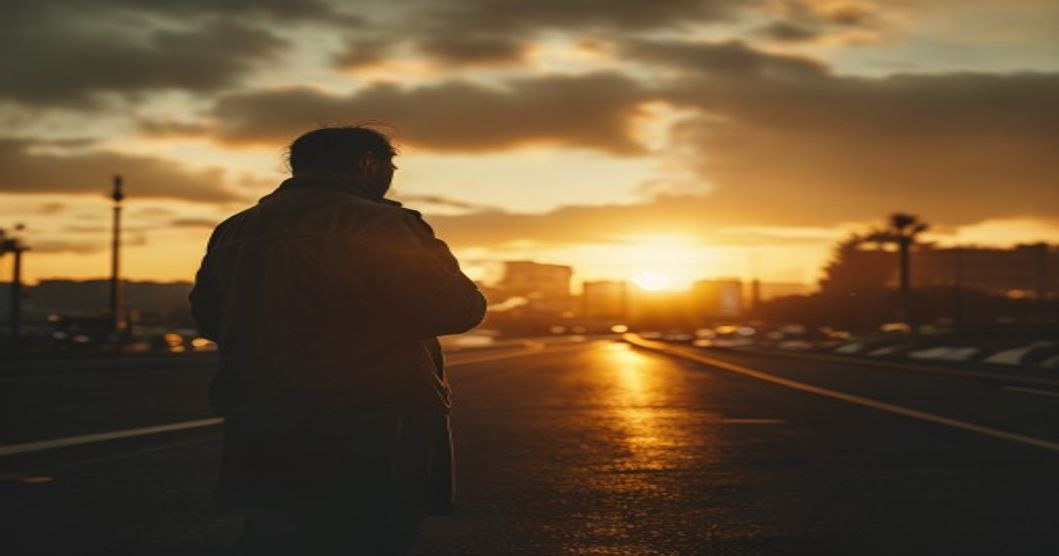
Imagine this: you're on a budget, packing your backpack, ready for a month-long backpacking trip across the American southwest. Your trusty, well-worn backpack feels secure, and the worn map in your hand offers a roadmap to adventure. But, as you're checking your gear at the border crossing, a customs officer pauses, a skeptical frown creasing their forehead. The officer taps your backpack, and suddenly, the familiar feeling of secure closure morphs into tension. This is the reality for some, and the potential for a simple mistake to derail a trip.
This is where the "one dollar counterfeiter" comes into play. A common, yet often-misunderstood, phenomenon that can be a real hurdle on the road to freedom and adventure.
What is the One Dollar Counterfeiter?
The "one dollar counterfeiter" isn't a secret society or a covert operation. It's simply a phenomenon that arises from the sheer volume of currency in circulation. Think of the American dollar bill: it's a ubiquitous symbol of freedom and possibility, but one that can be easily manipulated. For many travelers, especially those on tight budgets, a single dollar can make a world of difference, be it a quick meal, a necessary purchase, or even a small boost to their morale.
The Mechanics of Counterfeiting
The "one dollar counterfeiter" is a phenomenon that can be a real obstacle to those on a tight budget. It often involves a simple, yet effective, process. It's not about elaborate schemes or hidden agendas, but about the realities of how currency works. Many travelers are often surprised to discover that a single dollar bill can be a magnet for counterfeiting, especially when traveling to more remote areas.
A few key factors contribute to this phenomenon:
- **Low-Value Currency:** The one dollar bill, with its simple design and relatively low denominations, stands out as an easy target for counterfeiters.
- **Limited Currency Checks:** At border crossings and in areas with limited currency checks, the temptation to fake a bill is simply too high for some individuals.
- **High Demand for Currency:** The need to exchange currency, especially in developing countries, means that counterfeiters are more likely to be present in these areas.
Avoiding the One Dollar Counterfeiter
While it may seem daunting, there are practical steps you can take to avoid this potential hurdle:
1. **Know the Rules:** Before you even leave, familiarize yourself with the regulations of your destination. For example, certain countries have stricter rules on currency exchange and limit the amount of cash you can carry across borders.
2. **Trust Your Instincts:** If a transaction feels odd, don't be afraid to voice your concerns. If you feel uncomfortable or suspect something isn't right, don't hesitate to step back and seek clarification. Your intuition might save you from a potentially disastrous situation.
The Takeaway: Travel with Confidence
The "one dollar counterfeiter" isn't a threat you need to fear. It's a reminder to be cautious and informed, especially when traveling on a budget. The key is to be proactive, prepared, and confident. With a little bit of planning and a touch of common sense, you can ensure your journey is smooth and worry-free. Your adventures deserve to be free from unnecessary stress, and a little bit of preparation can help you enjoy the true spirit of travel.
Frequently Asked Questions
What is the most important thing to know about The One Dollar Counterfeiter?
The core takeaway about The One Dollar Counterfeiter is to focus on practical, time-tested approaches over hype-driven advice.
Where can I learn more about The One Dollar Counterfeiter?
Authoritative coverage of The One Dollar Counterfeiter can be found through primary sources and reputable publications. Verify claims before acting.
How does The One Dollar Counterfeiter apply right now?
Use The One Dollar Counterfeiter as a lens to evaluate decisions in your situation today, then revisit periodically as the topic evolves.