Starting to think van life isn’t for me
Starting to Think Van Life Isn’t for Me
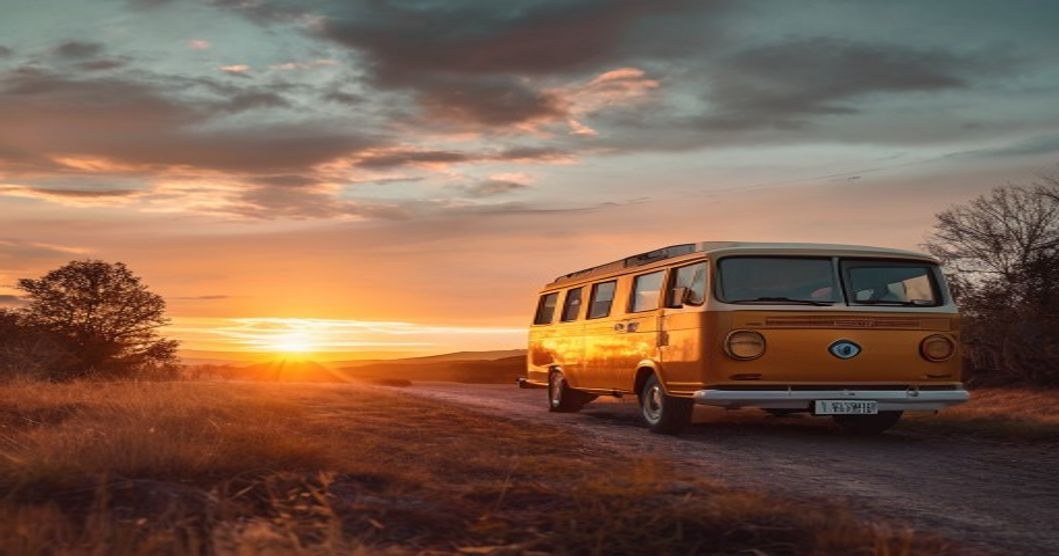
The Instagram feed is relentless. Sun-drenched mornings in Zion National Park, a steaming mug of coffee beside a turquoise lake, a meticulously organized kitchen counter in a converted school bus. It looks…perfect. For a while, it looked perfect for *you*, too. You spent months researching, budgeting, and dreaming of trading your predictable commute for a life on the open road. But lately, the glossy images have started to feel a little…distant. The urge to pack your bags and hit the highway is fading, replaced by a nagging sense of doubt. Maybe van life isn’t as simple as it seems. Maybe it’s not the answer you were hoping for. And that’s okay. Recognizing when a dream shifts direction is a sign of self-awareness, not failure. Let’s explore why you might be questioning this lifestyle and, more importantly, how to move forward.
The Reality of Constant Movement
The romanticized version of van life often glosses over the sheer *work* involved. It's easy to picture a perpetual stream of breathtaking vistas and spontaneous adventures, but the truth is, constant movement demands a constant level of upkeep. Think about it: your van isn’t just a vehicle; it’s your home, your office, your repair shop, and your storage unit – all rolled into one. Maintenance is a relentless task. You’re not just filling up the gas tank; you’re checking fluid levels, inspecting tires, addressing minor repairs, and battling the inevitable grime of travel.
For example, a friend of mine, Sarah, who spent six months in a converted Sprinter, told me she averaged at least 10 hours a week just on van maintenance – everything from cleaning the roof to fixing a leaky faucet. That's a significant time commitment that eats into your potential for exploration. It’s a demanding lifestyle, and the constant pressure to “go, go, go” can quickly become exhausting.
The Financial Tightrope Walk
Let’s be honest: the initial cost of a van conversion can be substantial. While some people build their vans affordably, others spend upwards of $30,000 – $50,000 on materials and labor. Beyond the initial investment, ongoing expenses – propane, campground fees, food, insurance, and unexpected repairs – can quickly add up. Many van lifers operate on tight budgets, and the freedom of flexible spending often comes at the expense of financial security.
Consider this: a recent survey of full-time van dwellers revealed that the average monthly cost of living was around $1,200 – $1,800, depending on location and lifestyle choices. This doesn’t include significant unexpected repairs, which can easily run into the thousands. It’s a far cry from the comfortable spending habits many of us are accustomed to, and the pressure to minimize costs can lead to a stressful and restrictive experience.
The Social Isolation Factor
While van life is often touted as a way to connect with nature and yourself, it can also be incredibly isolating. You’re constantly on the move, leaving behind established friendships and support networks. Building new connections can be challenging when you’re living in a temporary space and frequently changing locations.
A good strategy to combat this is to actively seek out communities. The “Workamping” concept – finding seasonal jobs at campgrounds and ranches – offers a built-in social network and a way to earn income. Alternatively, joining online van life communities (like Facebook groups or Reddit forums) can provide a sense of connection and support. Another tactic is to plan short stays in towns you want to explore, allowing time to meet locals and participate in community events.
The Logistics – It’s More Complicated Than It Looks
The practicalities of living out of a van are surprisingly complex. Waste management is a huge consideration – greywater disposal, composting toilets, and minimizing your environmental impact require careful planning. Navigation can be tricky, especially in remote areas with limited cell service. And let’s not forget about parking – finding legal and safe places to park your van can be a constant challenge, particularly in popular tourist destinations.
For instance, the National Park Service has specific regulations regarding overnight parking in many of its campgrounds. Researching these regulations beforehand – and understanding the potential fines for non-compliance – is crucial. A simple mistake can lead to a hefty fine and a frustrating experience.
It's Okay to Change Your Mind
The most important thing to remember is that it's perfectly acceptable to realize that van life isn't for you. The initial excitement and romantic notions can fade as you confront the realities of the lifestyle. Don’t feel like you’ve failed if you decide to pursue a different path. The journey to find your ideal lifestyle is often a process of experimentation and self-discovery.
**Takeaway:** Recognizing that van life might not align with your current needs and desires is a valuable step in defining your own path. It’s a testament to your self-awareness and your ability to adapt. Don't let the Instagram-perfect images dictate your choices; listen to your intuition and prioritize your well-being. There are countless ways to experience adventure and create a fulfilling life – van life is just one option.
Frequently Asked Questions
What is the most important thing to know about Starting to think van life isn’t for me?
The core takeaway about Starting to think van life isn’t for me is to focus on practical, time-tested approaches over hype-driven advice.
Where can I learn more about Starting to think van life isn’t for me?
Authoritative coverage of Starting to think van life isn’t for me can be found through primary sources and reputable publications. Verify claims before acting.
How does Starting to think van life isn’t for me apply right now?
Use Starting to think van life isn’t for me as a lens to evaluate decisions in your situation today, then revisit periodically as the topic evolves.