Starter home vs “forever” home
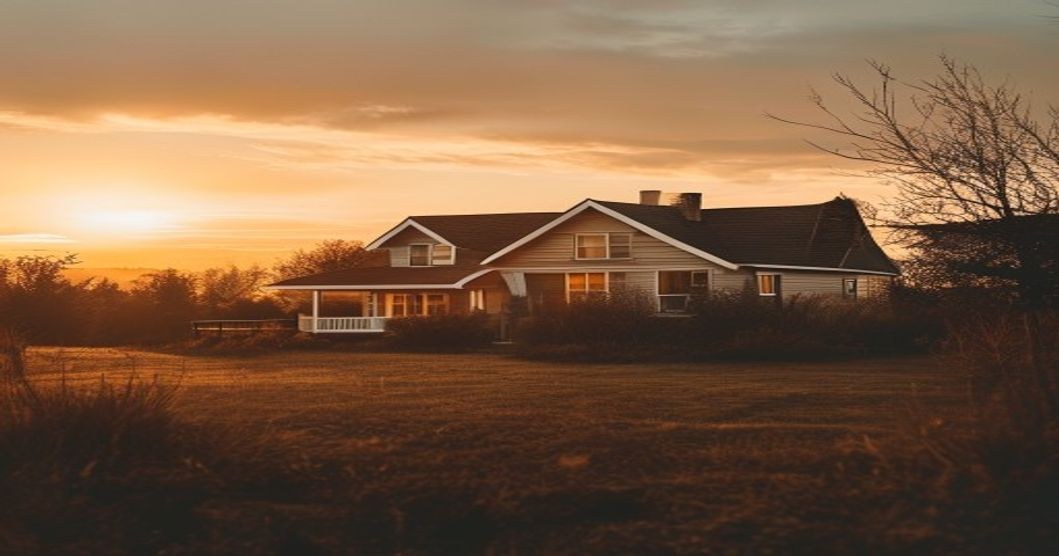
Starter Home vs. “Forever” Home: Where Do You Build Your Life?
The smell of pine needles, the crackle of a campfire, the feeling of a well-worn rug under your feet – these are the sensations that define a truly satisfying life for many. For a growing number of people, that life involves a home, and the decision of whether to buy a “starter home” or invest in a “forever” home is one of the biggest financial and emotional challenges of the 21st century. It's not simply about bricks and mortar; it’s about charting your future, understanding your priorities, and accepting that what feels right today might not feel right in twenty years. Let’s unpack the differences and help you decide which path aligns with your vision.
The Allure of the Starter Home
The appeal of a starter home is undeniable, particularly for those just beginning their journey into property ownership. Often, these homes are smaller, located in less established areas, and priced lower than homes in more desirable neighborhoods. The primary motivation is typically affordability. A starter home allows you to get your foot in the door, build equity, and start the process of homeownership.
Consider this: many first-time buyers are focused on getting a mortgage, establishing credit, and learning the ropes of property maintenance. A starter home provides a manageable, lower-risk environment to do that. They frequently offer a smaller mortgage, making the initial hurdle less daunting. Furthermore, the financial freedom gained by owning a home, even a modest one, can be a powerful motivator for saving for other life goals – a child’s education, retirement, or a dream vacation.
A recent survey by Zillow showed that nearly 60% of first-time homebuyers prioritized affordability over location when choosing their first home. This reflects a widespread desire to simply own, regardless of immediate lifestyle considerations.
Defining “Forever”: Long-Term Vision and Lifestyle
The concept of a “forever” home is inherently tied to a longer-term vision. It’s about creating a space that anticipates your evolving needs and reflects your settled life. These homes are often larger, located in established neighborhoods with good schools and amenities, and built to last. They represent an investment not just in property value, but in a lifestyle.
Think about what “forever” means to *you*. Do you envision raising a family in a spacious house with a backyard for kids to play? Do you plan to retire in a comfortable, accessible home near family and friends? Or do you simply crave the stability and security of a home that feels truly yours? A “forever” home is designed with these considerations in mind, often featuring upgrades and features that will remain valuable over time.
The Cost of “Forever”: More Than Just the Mortgage
While the initial price tag of a starter home can be significantly lower, the “forever” home often presents a higher overall cost. This isn’t just about the purchase price; it’s about the ongoing expenses. Property taxes tend to be higher in established neighborhoods, and the cost of maintenance and repairs will likely increase as the home ages.
For example, a 2023 study by Harvard’s Joint Center for Housing Studies found that the average annual maintenance cost for a single-family home is around $4,000 – a figure that could easily climb with an older, more complex home. Furthermore, consider potential renovations – a kitchen remodel or an addition to accommodate a growing family can add substantial costs. A “forever” home requires a longer-term financial commitment, demanding careful budgeting and planning.
Location, Location, Location – And Its Impact
The location of your home is arguably the most important factor in determining its long-term value and your overall satisfaction. Starter homes are often found in areas undergoing revitalization or experiencing rapid growth, which can lead to significant appreciation over time. However, this also means there’s more risk involved.
Conversely, a “forever” home is typically located in a stable, desirable neighborhood with strong schools, convenient access to amenities, and a strong sense of community. These areas tend to hold their value better over the long term, offering greater security and potentially higher returns on investment. Consider the proximity to work, family, and essential services – these factors can significantly impact your quality of life and the long-term appeal of your property.
A Practical Example: The 30-Year Plan
Let’s look at a hypothetical scenario. Two couples, both wanting to buy a home, each have $200,000 for a down payment. Couple A opts for a starter home in a developing area, purchasing a modest 1,200 sq ft home for $250,000. Couple B invests in a “forever” home in a well-established neighborhood, paying $500,000 for a 2,500 sq ft home. Over 30 years, Couple A’s home could appreciate significantly due to the area’s growth, potentially yielding a return of 8-10% annually. Couple B’s home, while appreciating at a slower rate (perhaps 3-5% annually), offers greater stability and a higher likelihood of maintaining its value.
**Takeaway:** The choice between a starter home and a “forever” home isn’t a one-size-fits-all answer. It’s a deeply personal decision that should be based on your financial situation, your long-term goals, and your vision for the future. Start by honestly assessing your budget, considering your lifestyle priorities, and understanding the potential risks and rewards of each option. Ultimately, the goal is to find a home that not just meets your current needs, but also supports your dreams for years to come.
Frequently Asked Questions
What is the most important thing to know about Starter home vs “forever” home?
The core takeaway about Starter home vs “forever” home is to focus on practical, time-tested approaches over hype-driven advice.
Where can I learn more about Starter home vs “forever” home?
Authoritative coverage of Starter home vs “forever” home can be found through primary sources and reputable publications. Verify claims before acting.
How does Starter home vs “forever” home apply right now?
Use Starter home vs “forever” home as a lens to evaluate decisions in your situation today, then revisit periodically as the topic evolves.