Memorial Day Primitive Overnight
Memorial Day Primitive Overnight
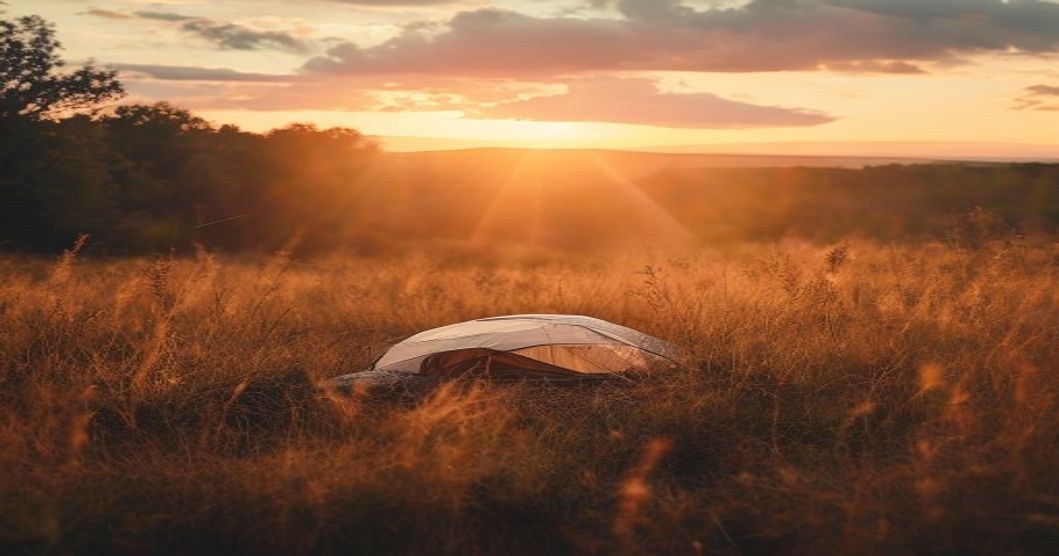
The air hung thick with the scent of pine needles and damp earth. Cicadas buzzed a relentless rhythm, a soundtrack to a stillness you rarely find in modern life. It wasn’t a fancy resort, a manicured campground with WiFi, or even a paved road nearby. Just a small clearing, a worn map, and the quiet satisfaction of knowing you were truly disconnected. Memorial Day weekend isn’t about fireworks and crowded beaches; for some, it’s about honoring the fallen with a deliberate step back from the noise and a return to the raw beauty of the outdoors. A primitive overnight – camping without amenities – offers a powerful way to do just that, and it’s a surprisingly accessible adventure for those willing to trade convenience for connection.
Planning for the Unplanned
The core of a successful primitive overnight is meticulous preparation, even if that preparation feels a little…rustic. Don’t go in expecting a luxury camping trip. This is about self-reliance and respecting the environment. Start with location scouting. State parks and national forests often have designated dispersed camping areas – areas where camping is permitted without designated sites or hookups. Research these areas carefully. Look for information on water sources (and how to purify them), potential hazards like wildlife, and prevailing weather conditions. The Bureau of Land Management (BLM) website is a fantastic resource for finding dispersed camping options across much of the western United States.
A critical piece of equipment is a good quality map and compass – and the knowledge to use them. Cell service is almost non-existent in most dispersed areas, so relying on GPS alone isn't a viable backup. Consider downloading topographic maps to your phone as a supplement, but don’t depend on it. For example, when planning a trip to the Pisgah National Forest in North Carolina, we spent a week researching water sources, specifically looking for springs marked on older topographic maps. Knowing we could purify water from a reliable source significantly eased our minds. Pack a satellite messenger like a Garmin inReach – a small investment that can be a lifesaver in an emergency.
Gear: Less is More (and More Important)
The key difference between camping and a primitive overnight is the gear you bring. Forget the oversized tents and elaborate cooking setups. You'll need a lightweight tent or tarp for shelter, a sleeping bag rated for the expected temperatures (and then some – nights can get surprisingly cold), a sleeping pad for insulation, and a basic cooking system like a small backpacking stove and pot. Don’t bring anything you don’t absolutely need. Every ounce counts when you’re carrying everything on your back.
A good headlamp is essential for navigating in the dark. A durable knife or multi-tool is a must-have for various tasks, from preparing food to repairing gear. Consider bringing a lightweight trowel for digging a cathole for human waste – proper disposal is crucial for preserving the environment. We learned this firsthand on a trip to Yosemite, where a lack of designated facilities meant we had to diligently practice Leave No Trace principles.
Food and Water: Fueling the Adventure
Food is your fuel, and it needs to be lightweight and calorie-dense. Dehydrated meals are a convenient option, but they can be expensive. Consider packing things like oatmeal, nuts, dried fruit, jerky, and tortillas – versatile ingredients that can be prepared in various ways. Water is arguably even more important than food. Carry enough water for your entire trip, and have a reliable method for purifying any water you collect. A Sawyer Squeeze filter is a lightweight and effective option for filtering water from streams and lakes. Knowing how to build a basic water filter using charcoal, sand, and gravel is a valuable skill to acquire, though it requires practice and careful sourcing of materials.
Respecting the Land: Leave No Trace
This isn’t just about tidying up your campsite. It’s about fundamentally changing your relationship with the wilderness. The “Leave No Trace” principles are paramount. Pack out everything you pack in, minimize campfire impacts (consider using a backpacking stove instead), stay on established trails, and respect wildlife. Don’t disturb vegetation or leave any trace of your presence. For instance, when setting up camp, we always chose a site at least 200 feet from water sources and established trails, minimizing our impact on the surrounding ecosystem. A simple act like carefully burying human waste in a cathole, six inches deep and two feet from any water source, makes a significant difference.
Takeaway: Reconnect and Reflect
A Memorial Day primitive overnight isn’t about conquering the wilderness; it’s about reconnecting with yourself and with the natural world. It's a chance to slow down, disconnect from the digital world, and appreciate the simple things – a warm campfire, a starry sky, and the quiet company of nature. It's a reminder of those who gave everything for our freedom, and a powerful way to honor their memory by experiencing the raw beauty and resilience of the land. It's an investment in perspective, a reset for the soul, and a profoundly rewarding experience.
Frequently Asked Questions
What is the most important thing to know about Memorial Day Primitive Overnight?
The core takeaway about Memorial Day Primitive Overnight is to focus on practical, time-tested approaches over hype-driven advice.
Where can I learn more about Memorial Day Primitive Overnight?
Authoritative coverage of Memorial Day Primitive Overnight can be found through primary sources and reputable publications. Verify claims before acting.
How does Memorial Day Primitive Overnight apply right now?
Use Memorial Day Primitive Overnight as a lens to evaluate decisions in your situation today, then revisit periodically as the topic evolves.