Im 21 and am going on my first solo camping trip and I'm kinda nervous. Got advice for me?
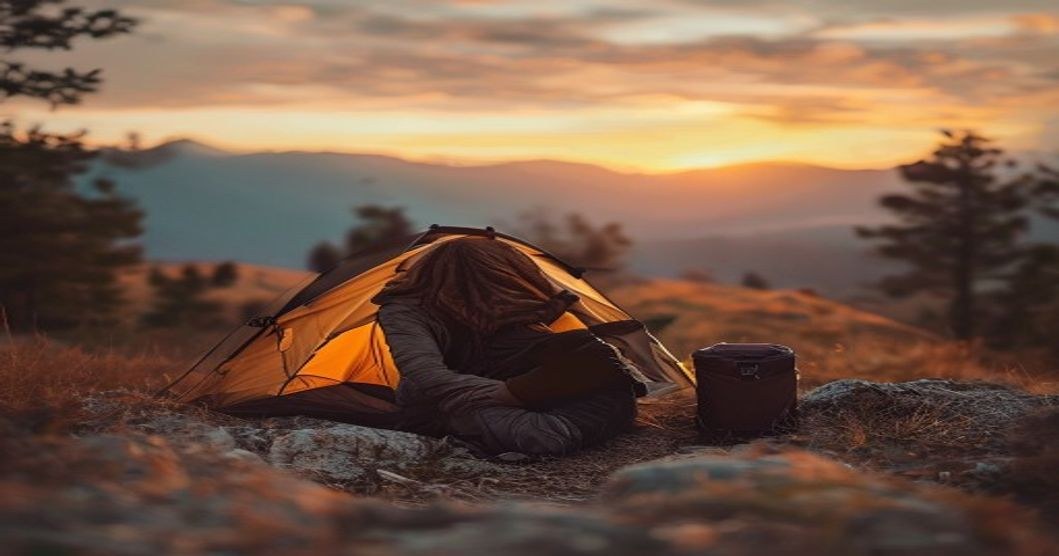
The Rustle of Leaves and a Whole Lot of “What Ifs”
The idea of sleeping under a canopy of stars, the scent of pine needles filling your lungs, and the quiet hum of nature is undeniably appealing. But let's be honest, the thought of a solo camping trip at 21, especially when it's your first, can also trigger a cascade of “what ifs.” What if it rains? What if I get lost? What if I encounter a bear? It’s perfectly normal to feel a little apprehensive. The good news is, that nervousness is a sign you’re taking this seriously, and it’s absolutely achievable. This isn't about conquering a mountain; it’s about building a connection with yourself and the natural world. Let’s tackle those worries and get you ready for an amazing adventure.
Preparation is Your Best Friend (and Your Anxiety’s Worst Enemy)
The biggest factor contributing to a nervous first-timer’s anxiety is often a feeling of being unprepared. It’s easy to romanticize camping, but the reality involves practicalities. Start with meticulous planning. Don’t just think “camping,” think “camping trip.” First, research your location thoroughly. Don't just pick a pretty spot; understand the weather forecast – and have a backup plan if the weather turns sour. Websites like Recreation.gov and state park websites offer detailed information about campsites, including amenities and potential hazards.
Specifically, for your first trip, choose a campground with amenities. A campground with flush toilets and potable water will drastically reduce your stress levels compared to a truly backcountry experience. **Actionable Detail:** Create a packing list and check it twice (or three times!). Include essentials like a sturdy tent (practice setting it up in your backyard!), a sleeping bag rated for the expected temperatures, a headlamp or flashlight with extra batteries, a first-aid kit, and insect repellent. Don’t forget layers of clothing – evenings can get surprisingly chilly, even in summer.
Gear Up, But Don't Overspend
You don’t need to buy the most expensive camping equipment to have a great time. Start with basic, reliable gear. A decent tent doesn't need to cost a fortune. Many affordable options are available from brands like Coleman and REI Co-op. Consider borrowing gear from a friend if possible – it’s a fantastic way to test things out before investing.
A good sleeping pad is crucial for comfort and insulation from the cold ground. **Actionable Detail:** Invest in a closed-cell foam sleeping pad – they’re durable, easy to clean, and won’t deflate. A small, portable camp stove is also invaluable for cooking hot meals. Even a simple propane stove can make a huge difference in your overall experience. Don't fall into the trap of buying fancy gadgets you don't need; focus on the core essentials.
Safety First: Knowing Your Boundaries and Being Visible
Your nervousness is valid, and it’s important to acknowledge it. Knowing how to mitigate potential risks is key. Let someone know your itinerary – where you’re going, when you’re expected to return, and who to contact if you don’t check in. Carry a fully charged cell phone, but understand that cell service can be spotty in remote areas.
Learn basic wilderness safety skills. Familiarize yourself with how to build a small fire safely (check local regulations first!), how to navigate with a map and compass (even if you primarily use a GPS app – it's a good backup), and how to identify potential hazards like poisonous plants or wildlife. **Actionable Detail:** Download offline maps of your camping area onto your phone *before* you go. Also, carry a whistle – a simple, effective way to signal for help. Make noise while hiking to alert wildlife to your presence and reduce the chance of an unexpected encounter.
Embrace the Quiet – It's Not Always About Doing
One of the biggest surprises of camping is often the sheer amount of time you spend simply *being*. The initial rush of activity – setting up camp, starting a fire, preparing a meal – will fade, and you’ll be left with a profound sense of quiet. Don't fight it. Resist the urge to constantly fill every moment with activity. Read a book, journal, meditate, or just listen to the sounds of nature.
Your first solo trip isn’t about conquering a wilderness challenge; it’s about finding a moment of peace and solitude. It’s about disconnecting from the distractions of everyday life and reconnecting with yourself. Allowing yourself to simply *be* in the moment will do wonders for calming your nerves and enhancing your experience.
Takeaway: It’s Okay to Be Nervous, and It’s Okay to Be Amazing
Going on your first solo camping trip at 21 is a huge step, and it’s perfectly normal to feel a little apprehensive. The key is preparation, knowing your limits, and embracing the experience. Don’t let your nervousness overshadow the incredible opportunity you have to connect with nature, challenge yourself, and build confidence. You’ve got this – and you're going to have an amazing adventure.
Frequently Asked Questions
What is the most important thing to know about Im 21 and am going on my first solo camping trip and I'm kinda nervous. Got advice for me??
The core takeaway about Im 21 and am going on my first solo camping trip and I'm kinda nervous. Got advice for me? is to focus on practical, time-tested approaches over hype-driven advice.
Where can I learn more about Im 21 and am going on my first solo camping trip and I'm kinda nervous. Got advice for me??
Authoritative coverage of Im 21 and am going on my first solo camping trip and I'm kinda nervous. Got advice for me? can be found through primary sources and reputable publications. Verify claims before acting.
How does Im 21 and am going on my first solo camping trip and I'm kinda nervous. Got advice for me? apply right now?
Use Im 21 and am going on my first solo camping trip and I'm kinda nervous. Got advice for me? as a lens to evaluate decisions in your situation today, then revisit periodically as the topic evolves.