How do I properly find dispersed camp sites?
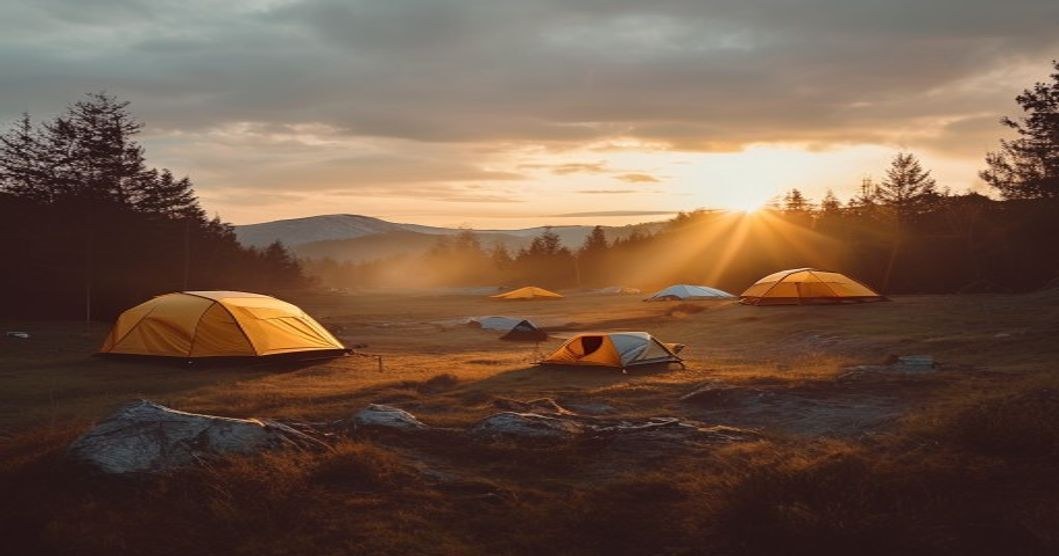
Finding Your Wild Space: A Guide to Dispersed Camping
The asphalt ribbon of the highway stretches endlessly, a constant reminder of civilization. You're craving something more – a silent dawn, the scent of pine needles, the feeling of truly being *away*. Dispersed camping offers that, a chance to reconnect with nature without the price tag or the crowds of established campgrounds. But it’s not just about showing up and setting up; it’s about knowing *where* to show up, and doing so responsibly. Finding the right dispersed site can transform a simple camping trip into an unforgettable adventure, while a poor choice can quickly turn into a frustrating, potentially uncomfortable experience. Let's explore how to find these hidden gems and make the most of your off-grid escape.
Understanding Dispersed Camping
Dispersed camping, sometimes called “boondocking,” is essentially camping on public lands – typically National Forest or Bureau of Land Management (BLM) land – without designated campsites or amenities. There are no restrooms, water sources, or rangers to direct you. This freedom comes with a significant responsibility: you're responsible for everything – your waste, your water, your campfire, and leaving the site exactly as you found it. It’s a raw, authentic experience, and that’s precisely why so many people are drawn to it.
The key difference between dispersed camping and traditional campgrounds lies in the lack of infrastructure. You're relying on your own gear, your own judgment, and your respect for the environment. This isn’t about luxury; it’s about simplicity and connection. Before you even consider heading out, understand that dispersed camping is about self-sufficiency and minimizing your impact.
Research is Your Best Friend
Don’t just pick a random road and hope for the best. Thorough research is absolutely crucial. Start with the Bureau of Land Management (BLM) and National Forest websites. These agencies manage vast tracts of public land, and their online maps are your primary resource.
- **BLM Interactive Maps:** The BLM’s interactive maps ([https://www.blm.gov/maps](https://www.blm.gov/maps)) are incredibly powerful. You can filter by state, county, and even specific land management decisions (like road closures or restrictions). Look for areas designated as “Dispersed Camping Allowed.” Many BLM areas also have “free camping” areas – these are often within areas designated for dispersed camping.
- **National Forest Maps:** Similarly, National Forest websites ([https://www.fs.usda.gov/](https://www.fs.usda.gov/)) offer maps and information about dispersed camping regulations specific to each forest. For example, the White Mountain National Forest in Arizona and New Hampshire is incredibly popular for dispersed camping, but regulations vary significantly depending on the specific area.
Beyond the websites, consider using apps like Campendium or FreeRoam, which often have user-submitted reviews and photos of dispersed campsites. However, always verify the information with official government sources.
Finding Roads and Identifying Potential Sites
Once you've identified potential areas, start looking at the roads. Dispersed campsites are almost always located off of Forest Service or BLM roads – usually dirt roads that branch off the main routes. Look for roads that appear well-used but aren’t heavily maintained. These are your best bets.
- **Example:** In Southern Utah, the Kanab BLM area offers a huge amount of dispersed camping. The roads leading to popular spots like the Escalante River are often well-used by off-road vehicles, but there are plenty of quieter areas further along the roads.
- **Look for Flat Ground:** Scan the road sides for areas that appear relatively flat and clear of obstructions like large rocks or dense vegetation. These are prime locations for setting up your tent.
- **Consider Drainage:** Observe the natural drainage patterns. Avoid camping in low-lying areas that could flood during rain.
Respecting Regulations and Leave No Trace
Dispersed camping isn’t a free pass to do whatever you want. Regulations vary significantly by location and agency. Always check for specific rules regarding campfires, vehicle speed limits, and waste disposal.
- **Campfire Restrictions:** Many areas have seasonal restrictions on campfires due to dry conditions. Always check with the local ranger station before building a fire.
- **Pack It In, Pack It Out:** This is the cornerstone of Leave No Trace. Take *everything* you bring – trash, food scraps, toilet paper – with you. If you must bury human waste, dig a hole at least 6-8 inches deep and 200 feet away from water sources, trails, and campsites.
- **Example:** A common mistake is leaving behind orange plastic bags used to collect food scraps. These can persist in the environment for decades.
Connecting with the Local Ranger Station
Before you head out, contact the local ranger station or BLM office. They can provide invaluable information about current conditions, road closures, fire restrictions, and any specific regulations for the area you're planning to visit. They can also offer insights into areas that aren't always prominently advertised online. A quick phone call can save you a lot of time and frustration.
Ultimately, dispersed camping is about embracing a simpler way of traveling and experiencing the natural world. With careful planning, respect for the environment, and a spirit of adventure, you can find your wild space and create memories that will last a lifetime.
Takeaway: Research thoroughly, respect regulations, and practice Leave No Trace principles – your trip, and the environment, will thank you for it.
Frequently Asked Questions
What is the most important thing to know about How do I properly find dispersed camp sites??
The core takeaway about How do I properly find dispersed camp sites? is to focus on practical, time-tested approaches over hype-driven advice.
Where can I learn more about How do I properly find dispersed camp sites??
Authoritative coverage of How do I properly find dispersed camp sites? can be found through primary sources and reputable publications. Verify claims before acting.
How does How do I properly find dispersed camp sites? apply right now?
Use How do I properly find dispersed camp sites? as a lens to evaluate decisions in your situation today, then revisit periodically as the topic evolves.