Fake ICE agents terrorize immigrants amid Trump’s crackdown
---
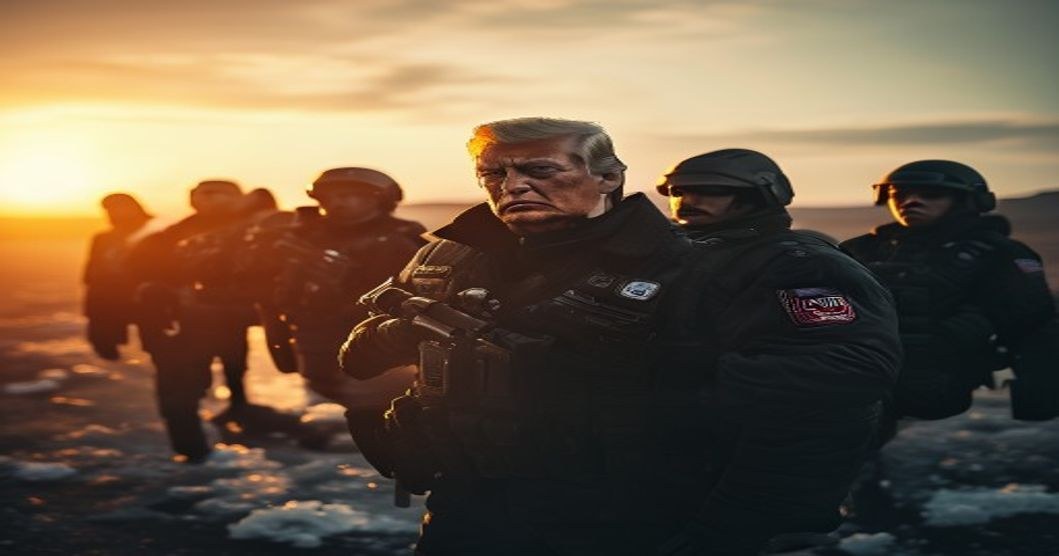
The air in the small town of Harmony, Texas, hung thick with a fear no one understood. It wasn’t the usual summer heat, but a cold dread that settled over families as black SUVs rolled through the streets. These weren’t the familiar blue and white of local law enforcement. These vehicles, plastered with hastily printed logos resembling U.S. Immigration and Customs Enforcement (ICE), were accompanied by men and women in dark suits, demanding identification, asking intrusive questions, and – most terrifyingly – detaining individuals based on nothing more than suspicion. The incident, repeated in several communities across the Southwest, highlighted a disturbing trend: the rise of self-proclaimed “ICE agents” exploiting anxieties surrounding immigration enforcement, fueled by lingering rhetoric and a desperate need to appear vigilant.
The Rise of Imposter Enforcement
The Harmony situation isn’t an isolated event. Across states like Arizona, New Mexico, and even California, reports have emerged of individuals, often without any official connection to ICE, posing as federal agents and conducting their own investigations. These “fake ICE agents” frequently target Hispanic residents, particularly those who appear to be undocumented immigrants, leading to wrongful stops, harassment, and, in some cases, abduction. The tactic capitalizes on a climate of heightened fear and distrust, a climate deliberately cultivated by political messaging and the ongoing, albeit often overstated, enforcement efforts of ICE. The internet has played a significant role, with groups and individuals promoting themselves as “vigilantes” and offering “security services” that blur the lines between legitimate law enforcement and unofficial, often dangerous, intervention.
The motivations behind these individuals are complex. Some are driven by genuine, albeit misguided, patriotism and a desire to “protect” their communities. Others are motivated by financial gain, offering “consulting” services or simply seeking attention. However, the most alarming aspect is the deliberate misrepresentation – the use of ICE branding, the assertion of authority, and the application of enforcement tactics without any legal basis. This undermines the actual work of ICE and creates a dangerous environment for vulnerable populations.
The Mechanics of the Threat
These fake ICE operations aren’t sophisticated conspiracies. They often rely on simple tactics: showing a fabricated badge, demanding identification, and threatening arrest based on vague suspicions of immigration violations. In Harmony, residents reported being followed for days, subjected to intense questioning about their neighbors’ activities, and even having their vehicles searched without warrants. One family, the Rodriguez family, recounted being stopped while grocery shopping. The individual identifying himself as an ICE agent claimed he was investigating a suspected “smuggling operation” and demanded to see the family’s immigration documents. The family, fearing deportation, complied, only to discover later that the man had no connection to ICE and was simply harassing them.
A particularly concerning element is the use of social media to spread misinformation and recruit followers. Online groups, often operating under names like “Border Watch” or “Community Safety Patrol,” disseminate false information about immigration laws, encourage vigilantism, and provide training on how to conduct “ICE investigations.” This creates a self-perpetuating cycle of fear and misinformation, further fueling the problem. For example, a Facebook group called “Protect Our Town” actively encouraged members to report “suspicious activity” – often simply being around individuals who looked “different” – to their local “ICE agents.”
Legal Ramifications and the Erosion of Trust
The legal consequences of these actions are often murky. While individuals posing as ICE agents can face charges related to impersonating a law enforcement officer, prosecuting these cases is difficult. Proving intent – demonstrating that the individual *knew* they were misrepresenting themselves and acting without authorization – is crucial. The lack of clear legal frameworks and the difficulty in gathering evidence often allows these individuals to operate with impunity.
Furthermore, these incidents severely erode trust between immigrant communities and law enforcement. When individuals are subjected to unwarranted harassment and intimidation, they become less likely to cooperate with official investigations or seek help when needed. This creates a vicious cycle, exacerbating existing fears and contributing to a climate of suspicion and silence. The Department of Justice has issued warnings against this type of activity, but the underlying issues – anxieties surrounding immigration and a lack of consistent, authoritative messaging – remain largely unaddressed.
The Role of Vigilantism and Political Rhetoric
The rise of fake ICE agents is inextricably linked to the broader political climate surrounding immigration enforcement. Years of inflammatory rhetoric from political figures, particularly during the Trump administration, normalized the idea of heightened vigilance and encouraged a zero-tolerance approach to immigration. This created a vacuum, allowing individuals to fill the perceived need for “security” and emboldening them to take matters into their own hands.
Specifically, the Department of Homeland Security’s (DHS) “See Something, Say Something” campaign, while intended to encourage reporting of suspicious activity, was often interpreted by some as a call to action, fostering a climate where anyone could self-appoint as an investigator. The continued presence of online echo chambers, reinforcing fears and misinformation, further amplified this effect. It’s crucial to acknowledge that while genuine concerns about border security and immigration reform exist, the tactics employed by these fake ICE agents are fundamentally counterproductive and dangerous.
---
**Takeaway:** The actions of these self-proclaimed “ICE agents” represent a dangerous distortion of the legal system and a profound threat to immigrant communities. Addressing this issue requires not just legal prosecution, but a concerted effort to combat misinformation, rebuild trust between communities and law enforcement, and address the underlying anxieties that fuel this kind of vigilantism. Simply put, genuine security comes from established institutions, not from individuals operating outside the law and exploiting fear.
Frequently Asked Questions
What is the most important thing to know about Fake ICE agents terrorize immigrants amid Trump’s crackdown?
The core takeaway about Fake ICE agents terrorize immigrants amid Trump’s crackdown is to focus on practical, time-tested approaches over hype-driven advice.
Where can I learn more about Fake ICE agents terrorize immigrants amid Trump’s crackdown?
Authoritative coverage of Fake ICE agents terrorize immigrants amid Trump’s crackdown can be found through primary sources and reputable publications. Verify claims before acting.
How does Fake ICE agents terrorize immigrants amid Trump’s crackdown apply right now?
Use Fake ICE agents terrorize immigrants amid Trump’s crackdown as a lens to evaluate decisions in your situation today, then revisit periodically as the topic evolves.