Elon Musk loses lawsuit against OpenAI
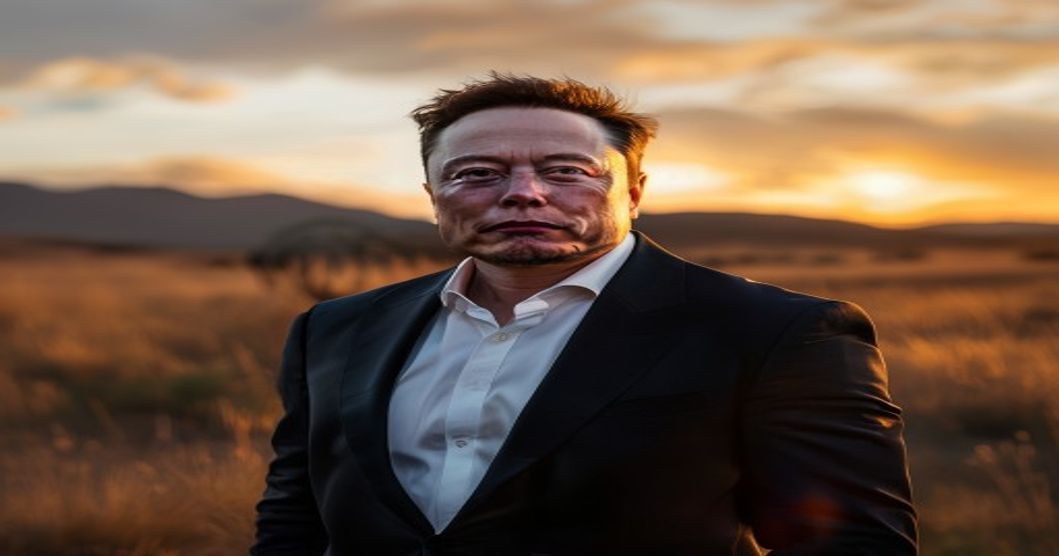
Musk’s Gamble Falls Flat: OpenAI Defends Against Copyright Claim
The image of Elon Musk, the visionary tech titan, battling a tech giant over AI development isn’t a scene from a futuristic dystopia – it was unfolding in a courtroom in San Francisco. Just weeks after a heated public exchange regarding the potential dangers of OpenAI’s rapidly advancing models, Musk’s legal challenge against the company has been dismissed. The judge ruled that OpenAI had a reasonable basis for its training data usage, effectively ending Musk’s lawsuit alleging the company had infringed on his Neuralink technology. This isn’t just a legal setback for Musk; it’s a significant moment reflecting the complex and increasingly contentious relationship between human creativity, artificial intelligence, and the legal frameworks struggling to keep pace. The outcome raises fundamental questions about fair use, data rights, and the future of innovation in the age of generative AI.
The Core of the Dispute: Neuralink and Training Data
Musk’s lawsuit centered on the claim that OpenAI’s GPT-3 and subsequent models were trained, in part, on data derived from Neuralink’s research. Neuralink, Musk’s neurotechnology company, has been developing brain-computer interfaces (BCIs) and openly shared data related to the neural signals it was collecting. The lawsuit argued that OpenAI had improperly used this publicly available data to improve its language models, essentially benefiting from Neuralink’s work without permission. Specifically, Musk alleged that OpenAI’s models were generating outputs strikingly similar to Neuralink’s published research, suggesting a substantial overlap in the underlying data used to train the AI. He sought an injunction to halt OpenAI’s training processes until the issue was resolved. The legal argument was built on the idea that OpenAI was profiting from a source of data that Musk believed was intended for open scientific exploration and development.
A Judge’s Ruling: Reasonable Use and the Fair Use Doctrine
Judge James Donato, presiding over the case, ultimately sided with OpenAI, concluding that the company’s use of Neuralink’s data fell within the bounds of the fair use doctrine. The fair use doctrine allows for the limited use of copyrighted material for purposes such as criticism, commentary, news reporting, teaching, scholarship, or research. Donato determined that OpenAI’s use of Neuralink’s data was transformative – meaning it wasn’t simply reproducing the original material but was using it to create something new and different. He emphasized that OpenAI’s models are fundamentally distinct from Neuralink’s research and that the similarities observed were likely due to the inherent patterns and structures within the data itself, rather than direct copying. Crucially, Donato found that OpenAI had not intentionally sought out or utilized Neuralink’s data, a key factor in determining fair use.
The Broader Implications for AI Training
This case has significant ramifications beyond just Musk and OpenAI. It’s likely to influence how AI developers acquire and use training data in the future. Previously, there was a considerable uncertainty surrounding the legality of using publicly available data, particularly when that data was generated through research efforts. OpenAI’s victory suggests that developers can, under certain circumstances, utilize publicly available data – including data generated through research – to train their models, as long as the use is transformative and doesn’t constitute direct copying. For example, many companies are now actively seeking out and incorporating data from open-source projects and publicly accessible datasets into their AI training pipelines. This decision could encourage a greater reliance on openly available data, potentially accelerating the development of AI models.
Musk's Response and the Future of Legal Challenges
Musk expressed his disappointment with the ruling, stating he believed OpenAI was engaged in “intellectual property theft.” He has indicated he intends to explore further legal avenues, though the specific strategies remain unclear. The lawsuit itself highlighted the growing trend of legal challenges targeting AI companies, largely driven by concerns about copyright infringement and the potential misuse of AI-generated content. Interestingly, a separate lawsuit was filed against OpenAI by a group of artists and writers, alleging that the company’s models were trained on their copyrighted work without consent. This case is still ongoing, and its outcome will likely shape the legal landscape surrounding AI and creative rights. It’s also worth noting that the rapid pace of AI development means legal frameworks are struggling to keep up, creating a period of considerable uncertainty.
Takeaway: Navigating the Murky Waters of AI Data
Musk’s lawsuit against OpenAI, while unsuccessful, underscored a crucial reality: the legal framework surrounding AI training data is still largely undefined. OpenAI’s victory provides a degree of clarity, confirming the possibility of using publicly available data in AI development, but it doesn't eliminate the potential for future legal challenges. Moving forward, both AI developers and creators need to be aware of data rights, understand the nuances of the fair use doctrine, and prioritize transparency in their training processes. The case serves as a vital reminder that innovation in the AI space will be inextricably linked to ongoing legal and ethical considerations. Ultimately, establishing clear guidelines and responsible practices will be essential to fostering a future where AI benefits humanity without infringing on the rights of creators and innovators.
Frequently Asked Questions
What is the most important thing to know about Elon Musk loses lawsuit against OpenAI?
The core takeaway about Elon Musk loses lawsuit against OpenAI is to focus on practical, time-tested approaches over hype-driven advice.
Where can I learn more about Elon Musk loses lawsuit against OpenAI?
Authoritative coverage of Elon Musk loses lawsuit against OpenAI can be found through primary sources and reputable publications. Verify claims before acting.
How does Elon Musk loses lawsuit against OpenAI apply right now?
Use Elon Musk loses lawsuit against OpenAI as a lens to evaluate decisions in your situation today, then revisit periodically as the topic evolves.