Avian Visitors
---
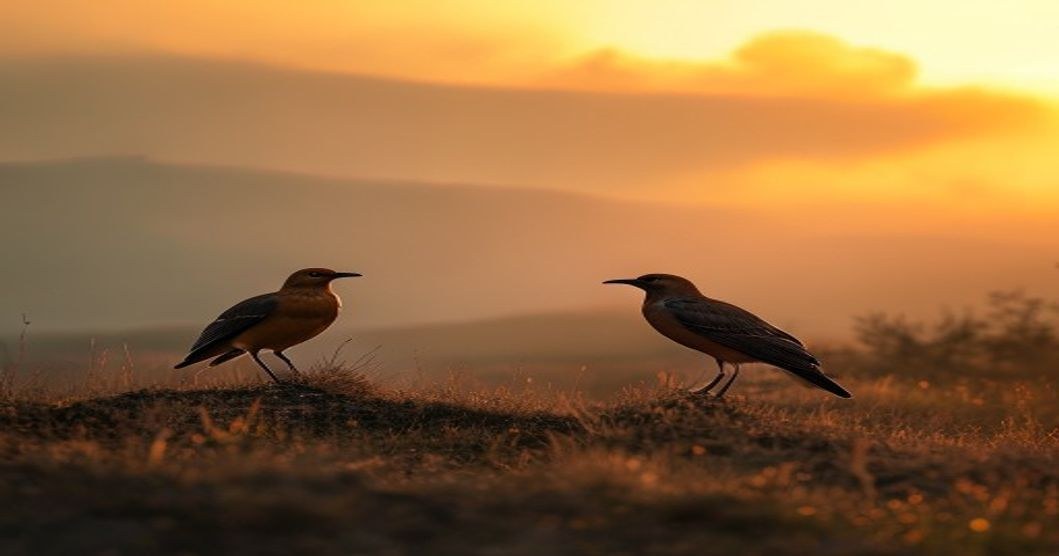
Imagine waking to a dawn chorus unlike any you’ve ever heard. It’s not just birdsong; it’s a complex, layered orchestration of trills, whistles, and calls, each seemingly telling a story. You’re sitting outside your RV, a mug of coffee warming your hands, and suddenly you realize you’re not just camping – you’re sharing your space with a remarkable cast of avian visitors. These feathered travelers, driven by instinct and the promise of resources, add a vibrant, unpredictable element to any outdoor adventure. They’re a reminder of the wildness that still exists alongside our carefully planned trips, and a chance to observe a truly captivating part of the natural world.
The Reasons Behind the Arrivals
Why do birds choose to spend time near RV parks and campsites? It’s rarely random. Several factors contribute to this phenomenon. Primarily, these locations offer abundant food sources. Campsites, particularly those with picnic areas, often become magnets for discarded food – crumbs from sandwiches, spilled fruit, even the occasional dropped french fry. Birds, especially opportunistic species like European Starlings, House Sparrows, and American Robins, are adept at exploiting these unintentional offerings.
Beyond the immediate scraps, campsites frequently attract insects, a vital component of a bird’s diet. Areas with standing water, like ponds or streams near campgrounds, are particularly rich in aquatic invertebrates, a favorite meal for many songbirds. Furthermore, the open spaces of campgrounds provide excellent perching locations for observation and hunting, and the diverse vegetation offers shelter from the elements and predators. It’s a convergence of needs – food, safety, and observation – that makes these locations appealing.
Identifying Your Visitors: A Quick Guide
Not all birds are created equal when it comes to campground interactions. Recognizing the common species you might encounter can greatly enhance your experience. The American Robin, for example, is a frequent visitor, often seen hopping across lawns searching for worms. Red-winged Blackbirds are commonly found near water sources, their distinctive calls announcing their presence. House Sparrows are almost ubiquitous, happily scavenging for food wherever they can find it.
You'll also likely encounter Blue Jays, known for their boisterous calls and fondness for acorns and nuts, especially if the campground is near wooded areas. Keep an eye out for Woodpeckers – they’re often drawn to campsites with decaying trees or structures. Learning to differentiate these species not only adds to the enjoyment of your trip but can also inform your behavior. For example, if you notice a large flock of Starlings, it's a good indication that you should be extra diligent about securing your food storage.
Responsible Birdwatching: Respecting Their Space
While observing birds is a wonderful pastime, it’s crucial to do so responsibly. These animals are wary and easily stressed, and prolonged or intrusive observation can disrupt their natural behavior. Avoid approaching birds too closely, using flash photography, or making loud noises. Maintain a respectful distance – at least 20 feet – and observe quietly.
A practical tip: consider using binoculars for closer viewing without disturbing the birds. Also, be mindful of your own movements. Sudden movements can startle birds and cause them to fly away. If you’re camping with children, teach them about bird etiquette – how to observe quietly and respectfully. **Specifically, always store food in bear-resistant containers or hang it properly, regardless of bird activity, to avoid attracting unwanted attention to your campsite.**
Expanding Your Observation: Beyond the Picnic Table
Don’t limit your birdwatching to the immediate vicinity of the picnic tables and campsites. Explore the surrounding trails, waterways, and wooded areas. Birds often forage further afield, and you might discover a hidden gem – a small pond teeming with dragonflies, a dense thicket providing shelter for songbirds, or a field attracting migrating warblers.
For example, when camping in the Appalachian Mountains, I spent an afternoon observing a family of Northern Cardinals building a nest in a pine tree near a stream. The experience was truly special, and it highlighted the importance of venturing beyond the familiar to truly appreciate the diversity of wildlife. **Another useful technique is to simply sit quietly for 15-20 minutes, focusing on listening to the sounds of the birds and noticing their movements. You’ll be surprised at how many species you can identify with just your ears.**
The Bigger Picture: Conservation and Appreciation
The presence of birds at campgrounds isn’t just a charming coincidence; it’s a sign of a healthy ecosystem. These birds play a vital role in the environment, contributing to pollination, seed dispersal, and insect control. By observing and appreciating these visitors, we can foster a deeper connection to the natural world and a greater sense of responsibility for its conservation.
Ultimately, encountering avian visitors on your RV or camping trips is a gift. It’s a chance to slow down, connect with nature, and gain a new perspective on the intricate web of life that surrounds us. It reminds us that even in our pursuit of adventure and exploration, we are guests in a world brimming with wonder.
---
Frequently Asked Questions
What is the most important thing to know about Avian Visitors?
The core takeaway about Avian Visitors is to focus on practical, time-tested approaches over hype-driven advice.
Where can I learn more about Avian Visitors?
Authoritative coverage of Avian Visitors can be found through primary sources and reputable publications. Verify claims before acting.
How does Avian Visitors apply right now?
Use Avian Visitors as a lens to evaluate decisions in your situation today, then revisit periodically as the topic evolves.