A jacket that harvests drinking water from the air
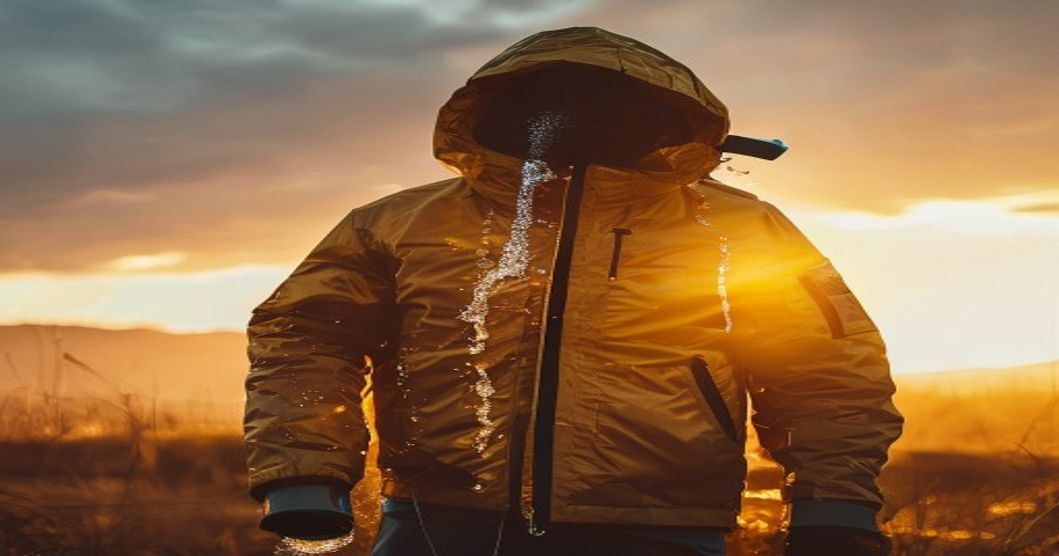
The Jacket That Drinks the Rain
Imagine this: you’re deep in the Mojave Desert, miles from the nearest town, your water supply dwindling. The sun beats down relentlessly, and the air shimmers with heat. You’re starting to feel the effects of dehydration – a dull headache, sluggishness, and a growing sense of panic. Then, you reach for your jacket. Not to shield yourself from the sun, but to activate a silent, ingenious device that’s pulling moisture directly from the air and adding it to your water bottle. It sounds like science fiction, but a handful of companies are now producing jackets that do exactly that, offering a potentially life-saving solution for outdoor adventurers and, perhaps surprisingly, disaster relief.
The Science Behind Atmospheric Water Generation
The technology behind these jackets, often referred to as atmospheric water generators (AWGs), isn’t entirely new. Scientists have been researching methods of extracting water from the air for decades, driven by the need for sustainable water sources in arid regions. The core principle relies on a material called hydroscopic silica gel. Silica gel is a desiccant, meaning it has a strong affinity for water molecules. The jackets utilize a cooling system, typically powered by a small, rechargeable battery, to lower the temperature of the silica gel. Colder temperatures create a pressure difference – water vapor in the air naturally moves from areas of high humidity to areas of low humidity. The cooling process forces the water vapor onto the silica gel, where it condenses into liquid water. It’s essentially mimicking the natural process of dew formation, but with a controlled and accelerated effect.
The efficiency of these jackets varies significantly. Factors like ambient temperature, humidity, and airflow all play a role. Generally, you’ll get the most water in humid, cool conditions. Companies like Grayl and Waterdrop have been at the forefront of this technology, constantly refining their designs and materials to maximize water production. For example, Grayl’s Sahara Cup, which inspired the jacket designs, uses a similar silica gel process, but in a handheld device.
Beyond the Desert: Applications and Considerations
While initially conceived for survival in extreme environments, the potential applications of these jackets extend far beyond just desert expeditions. Think about hikers, campers, and backpackers who frequently venture into areas with unpredictable weather. The ability to generate a small amount of water – perhaps a half-liter or liter – can be a critical safety measure.
Furthermore, the technology is gaining traction in disaster relief scenarios. After hurricanes or floods, access to clean drinking water is often severely limited. These jackets could provide a portable and reliable source of water for first responders and affected communities. A recent pilot program by Waterdrop in Puerto Rico after Hurricane Maria demonstrated the potential for rapid water production in challenging conditions. The jackets were deployed to support relief efforts, providing much-needed hydration to survivors.
However, it’s crucial to understand the limitations. The output is typically modest. Most jackets produce around 1-2 liters of water per 12-24 hour charge, depending on the conditions. The battery life is also a key factor; a full charge might provide several hours of operation, particularly in cooler, more humid environments.
Design and Features: More Than Just a Jacket
These aren't just simple silica gel pouches attached to a jacket. Manufacturers have incorporated several features to enhance usability and practicality. Many jackets feature durable, weather-resistant fabrics, often incorporating recycled materials. Some include integrated hydration reservoirs for storing the collected water.
For instance, the Waterdrop Atmospheric Water Generator Jacket includes a built-in 2-liter hydration reservoir that can be easily filled from a water bottle. The jacket also incorporates a USB charging port, allowing you to power the device using a power bank. Grayl’s version focuses on a streamlined design, prioritizing comfort and ease of movement. They’ve also invested in improved airflow around the silica gel panels to maximize water collection.
The Cost and Future of Atmospheric Water Jackets
Currently, these jackets represent a significant investment. The Grayl Sahara Cup (which inspired the jacket designs) retails for around $399, and the Waterdrop Atmospheric Water Generator Jacket costs approximately $499. However, the price is expected to decrease as production scales up and the technology becomes more refined.
The future of this technology is promising. Research is ongoing to improve the efficiency of silica gel, develop more powerful cooling systems, and explore alternative materials. Some companies are experimenting with solar-powered AWGs, offering a completely off-grid solution. As the technology matures, we can anticipate seeing more affordable and robust atmospheric water generators, potentially transforming how we approach hydration in remote and challenging environments.
**Takeaway:** These jackets represent a fascinating intersection of technology and survival. While not a replacement for traditional water sources, they offer a compelling, albeit currently expensive, tool for independent adventurers and, potentially, a vital lifeline in disaster situations, demonstrating a powerful application of scientific innovation for real-world needs.
Frequently Asked Questions
What is the most important thing to know about A jacket that harvests drinking water from the air?
The core takeaway about A jacket that harvests drinking water from the air is to focus on practical, time-tested approaches over hype-driven advice.
Where can I learn more about A jacket that harvests drinking water from the air?
Authoritative coverage of A jacket that harvests drinking water from the air can be found through primary sources and reputable publications. Verify claims before acting.
How does A jacket that harvests drinking water from the air apply right now?
Use A jacket that harvests drinking water from the air as a lens to evaluate decisions in your situation today, then revisit periodically as the topic evolves.