2026 French Open – Men's singles
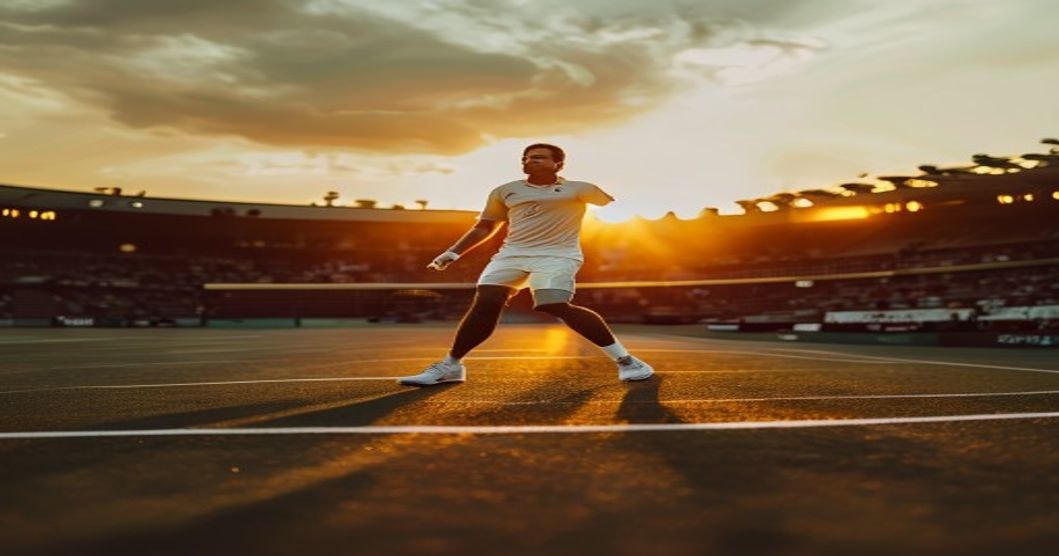
2026 French Open – Men’s Singles: A Forecast of Clay and Ambition
The scent of damp clay, the murmur of a thousand voices, the relentless sun beating down on Roland Garros – it’s a sensory experience synonymous with the French Open. While the 2024 edition delivered a thrilling, unpredictable final, the 2026 men’s singles promises something arguably more compelling: a landscape ripe with potential challengers and a strong chance for a new name to etch its way into tennis history. Predicting the future of a sport as dynamic as professional tennis is always a gamble, but analyzing current trends, emerging talent, and the likely evolution of the top players offers a surprisingly insightful glimpse into what might unfold on the hallowed grounds of Paris in June 2026. This isn't just about who *will* win; it’s about the battles, the strategies, and the stories that will define the tournament.
The Reigning Power: Novak Djokovic’s Continued Presence
Let’s start with the obvious. As of late 2024, Novak Djokovic remains the undisputed king of clay. At 39, he’s defying the natural progression of the game with a level of fitness and tactical brilliance that’s simply unmatched. While age is a factor, Djokovic's dedication to his physical conditioning and his mastery of court positioning suggest he will be a dominant force in 2026. He’ll be entering his 40s, a significant milestone, but his record at Roland Garros – 14 titles – speaks for itself.
A key factor in his continued success will be his ability to adapt his game. He's already demonstrated a willingness to experiment with his serve and groundstrokes, and in 2026, he’ll likely refine these strategies further. For example, Djokovic’s team might continue to emphasize shorter, more angled rallies to exploit opponents’ weaknesses and conserve energy, a tactic that proved particularly effective against Carlos Alcaraz in the 2024 semi-finals. He’ll undoubtedly be the favorite, and the pressure to maintain his dominance will be immense.
The Alcaraz Factor: Can He Maintain His Momentum?
Carlos Alcaraz’s arrival in 2022 fundamentally shifted the landscape of men's tennis. His youthful exuberance, incredible athleticism, and fearless shot-making have captivated audiences worldwide. As of 2026, he’ll be 26, which is generally considered the peak years for a professional tennis player. This means he'll be facing a tougher, more experienced field than he did in his early years.
However, Alcaraz’s raw talent and competitive spirit suggest he’s more than capable of contending for the title. A crucial element will be his mental fortitude. He needs to consistently manage the immense pressure of playing at Roland Garros, a pressure that often tripped up younger players in the past. Remember, in 2023, Alcaraz struggled with nerves during the final, highlighting the importance of psychological preparation. His training regimen, focusing on mindfulness and visualization techniques, will be critical in 2026.
Rising Stars and Emerging Talent
The French Open has always been a breeding ground for new champions. Several young players are currently poised to challenge the established order. One name to watch closely is Holger Rune. The young Danish player has shown flashes of brilliance, particularly on clay, and his aggressive style could disrupt Djokovic's dominance. Rune’s aggressive net play, combined with his growing confidence, makes him a serious contender.
Another potential dark horse is Alexander Bublik. Bublik’s serve, arguably the most dangerous in the game, is a significant weapon. He's demonstrated the ability to pull out stunning victories against top players with his unorthodox approach. Bublik's success hinges on his ability to consistently execute his serve and maintain his focus throughout a grueling five-set match. Furthermore, keep an eye on players emerging from South America – the region is producing a steady stream of talented young players.
The Tactical Battleground: Clay Court Strategy in 2026
The 2026 French Open is likely to see a continued emphasis on traditional clay court strategy – deep, penetrating groundstrokes, strategic placement, and a willingness to grind out points. However, technological advancements and player development will undoubtedly influence tactics.
Specifically, expect to see greater use of data analytics, with players and their coaches utilizing detailed statistics to identify opponent weaknesses and tailor their game plans. For example, advanced tracking technology might reveal that Alcaraz consistently struggles against drop shots angled to his backhand, prompting Djokovic to specifically target that weakness. The ability to quickly adapt to changing conditions – the unpredictable nature of the clay – will be paramount. Players who can effectively manage their movement and conserve energy will have a significant advantage.
Takeaway: A New Era Dawns
Ultimately, the 2026 French Open men’s singles will be a testament to the enduring appeal of clay court tennis and the relentless pursuit of excellence. While Novak Djokovic remains the favorite, the emergence of new talent and the evolving tactical landscape suggest that a new champion – a name that will forever be associated with the magic of Roland Garros – is within reach. The tournament will be defined not just by the winners and losers, but by the captivating stories of ambition, resilience, and the beautiful, brutal art of competitive tennis.
Frequently Asked Questions
What is the most important thing to know about 2026 French Open – Men's singles?
The core takeaway about 2026 French Open – Men's singles is to focus on practical, time-tested approaches over hype-driven advice.
Where can I learn more about 2026 French Open – Men's singles?
Authoritative coverage of 2026 French Open – Men's singles can be found through primary sources and reputable publications. Verify claims before acting.
How does 2026 French Open – Men's singles apply right now?
Use 2026 French Open – Men's singles as a lens to evaluate decisions in your situation today, then revisit periodically as the topic evolves.